Shingles & Viral Rashes in Adults: Causes, Appearance, and Next Steps
Shingles and other viral rashes in adults can cause painful, sometimes serious symptoms. Recognizing these rashes early and knowing when to see a doctor is important for your health.
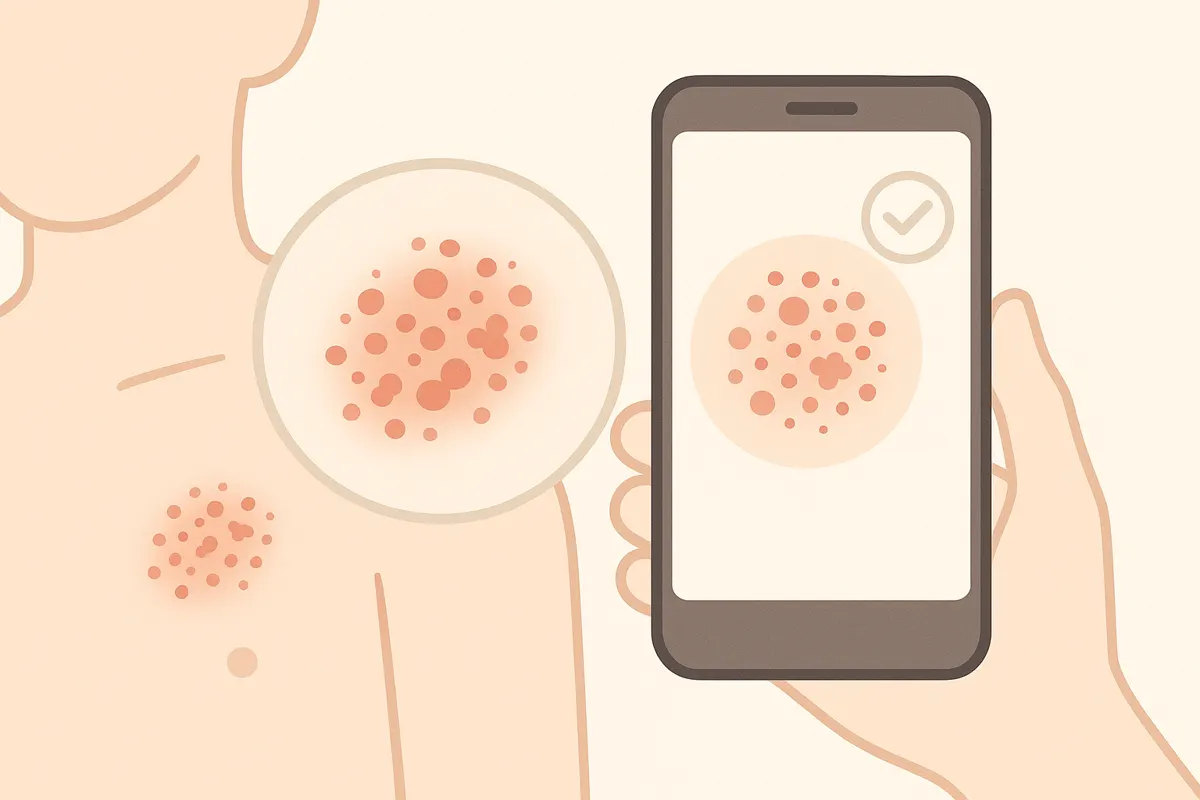
What Do Shingles and Viral Rashes Look Like?
Shingles (herpes zoster) usually appears as a painful, blistering rash on one side of the body or face. It often starts with tingling, itching, or burning pain, followed by red patches and clusters of fluid-filled blisters. The rash typically forms a band or strip and does not cross the midline of the body. Shingles can also affect the eye area, which is a medical emergency.
Pityriasis rosea is another viral rash more common in young adults, but it can occur at any age. It often begins with a single large, oval 'herald patch,' followed days later by smaller oval patches on the trunk or arms. These patches may be pink or tan and can be slightly scaly.
Why Do These Rashes Happen?
- Shingles is caused by the reactivation of the varicella-zoster virus, which also causes chickenpox. After you recover from chickenpox, the virus remains inactive in your nerves and can reactivate years later, especially if your immune system is weakened by age, stress, or illness.
- Pityriasis rosea is thought to be triggered by certain common viruses, though the exact cause is not always clear. It is not considered highly contagious.
When Should You See a Doctor?
- See a doctor promptly if you have a painful, blistering, one-sided rash, especially if it is on your face or near your eye.
- Seek medical care if you have a rash with fever, extensive blistering, severe pain, rapid spreading, or if your immune system is weakened.
- Early treatment with antiviral medication is important for shingles and can reduce the risk of complications.
- Any persistent, unexplained, or worsening rash should be checked by a healthcare professional.
How Can You Check Your Rash?
If you notice a new rash and are unsure what it might be, you can use a skin-check app like Rash Detector to upload a photo and get an instant AI-generated report with possible conditions and risk guidance. This can help you decide on your next steps, but it is not a substitute for a medical diagnosis. Always consult a doctor for diagnosis and treatment, especially for severe or concerning symptoms.
Upload a photo and Rash Detector's AI suggests likely causes to discuss with your doctor — free, private, and informational (not a diagnosis).
Try Rash DetectorFAQ
What does shingles look like in adults?
Shingles usually appears as a painful, red, blistering rash in a band on one side of the body or face, often with tingling or burning pain before the rash appears.
Are viral rashes in adults serious?
Some viral rashes, like shingles, can lead to complications and should be treated promptly. Others, like pityriasis rosea, are usually mild but should still be evaluated if severe or persistent.
When should I see a doctor for a rash?
See a doctor for a painful, blistering, one-sided rash, any rash near the eye, or if you have fever, severe pain, rapid spreading, or if you are immunocompromised.
Can I check my rash at home?
You can use Rash Detector to upload a photo and get an instant AI report with possible conditions, but always see a healthcare provider for diagnosis and treatment.
Is shingles contagious?
Shingles itself is not spread from person to person, but the virus can cause chickenpox in someone who hasn't had it or been vaccinated. Cover the rash and avoid contact with those at risk.