Contact Dermatitis: Appearance, Causes, and When to Seek Medical Advice
Contact dermatitis is a red, itchy rash that develops where your skin touches an irritant or allergen. Identifying the cause and knowing when to see a doctor are key to managing it.
What Contact Dermatitis Looks Like
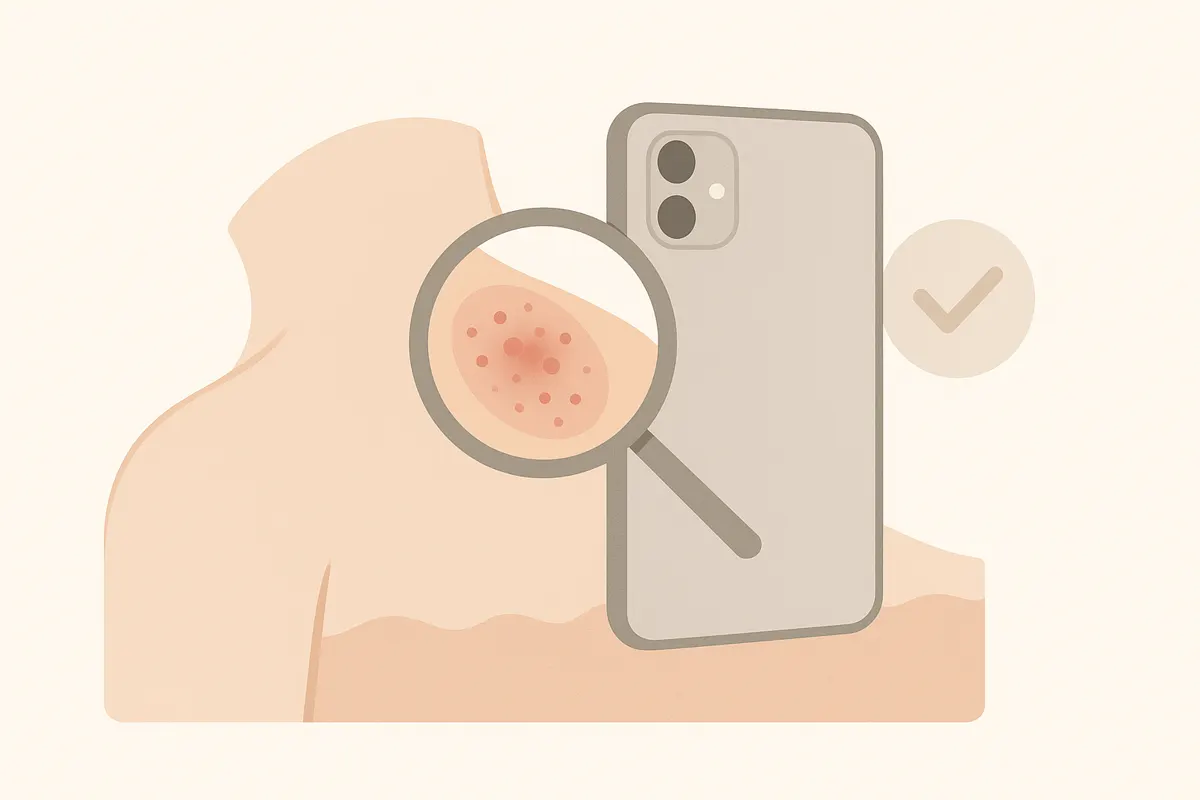
Contact dermatitis often appears as a red, itchy rash. The affected area may be swollen, blistered, or dry and cracked. The rash usually matches the exact shape or area where the skin touched the trigger. In some cases, small bumps or blisters may develop, especially if the reaction is severe or the trigger is strong.
Common Causes and Triggers
- Nickel: Found in jewellery, belt buckles, and some clothing fasteners.
- Fragrances and preservatives: Present in many skincare products, soaps, and cosmetics.
- Plants: Poison ivy, poison oak, and similar plants can cause classic linear or streaky rashes.
- Chemicals: Cleaning products, detergents, and hair dyes are frequent culprits.
- Other irritants: Prolonged exposure to water, gloves, or harsh weather can also trigger symptoms.
How to Identify and Avoid Triggers
Think about new products, jewellery, or plants you've recently touched. The rash’s shape and location are important clues. If you suspect a product, stop using it and see if symptoms improve. For recurring rashes, consider patch testing with a dermatologist to pinpoint the cause. You can also use tools like Rash Detector to check your rash and get information about possible triggers and skin conditions.
When to See a Doctor
- If the rash is severe, widespread, or on your face or genitals
- If you have blisters, pain, or swelling
- If the rash does not improve after a few days of avoiding the suspected trigger
- If you develop a fever or feel generally unwell
Always see a healthcare professional for diagnosis and treatment. Only a doctor can confirm contact dermatitis and recommend the right care, especially for complicated or persistent cases.
Upload a photo and Rash Detector's AI suggests likely causes to discuss with your doctor — free, private, and informational (not a diagnosis).
Try Rash DetectorFAQ
What are the first signs of contact dermatitis?
The first signs are redness, itching, and sometimes swelling or small blisters exactly where the skin touched the irritant or allergen.
How long does contact dermatitis last?
Mild cases may clear up in a few days if you avoid the trigger. More severe rashes can last weeks, especially if exposure continues or if the skin is sensitive.
Can contact dermatitis spread to other parts of the body?
Contact dermatitis itself does not spread, but new areas can be affected if they come into contact with the same trigger.
Is it safe to treat contact dermatitis at home?
Mild rashes can often be managed by avoiding the trigger and using gentle skincare. See a doctor if symptoms are severe, widespread, or not improving.
How can Rash Detector help with contact dermatitis?
You can upload a photo to Rash Detector for an instant AI report with possible conditions and risk assessment, but always consult a doctor for diagnosis and treatment.