Necrobiosis Lipoidica: Appearance, Causes, and When to Seek Care
What Does Necrobiosis Lipoidica Look Like?
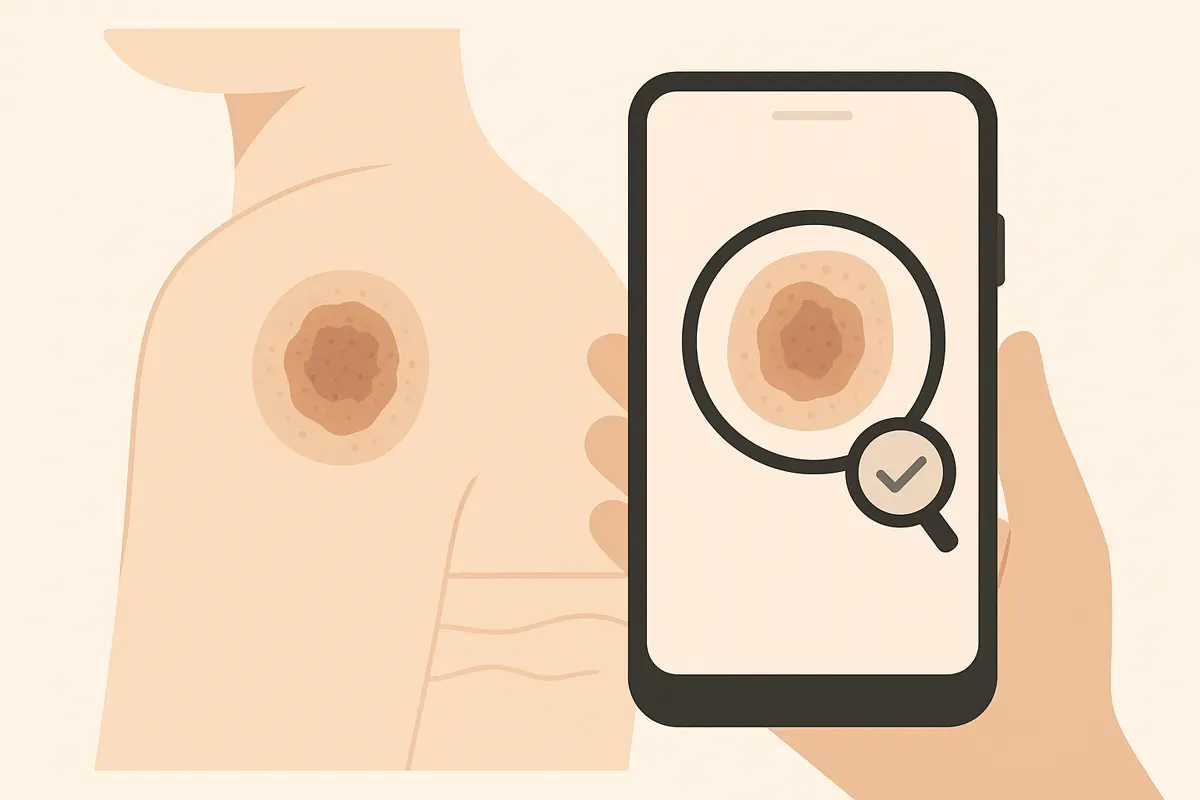
Necrobiosis lipoidica typically appears as shiny, reddish-brown to yellowish patches on the shins. These patches are usually oval or irregular in shape and may have visible blood vessels (telangiectasia) on the surface. Over time, the skin can become thin and fragile, sometimes leading to ulceration (open sores), especially if the area is injured or the condition progresses.
- Most common on the lower legs, particularly the shins
- Patches may be slightly raised with well-defined borders
- Color can range from red-brown to yellow, often with a shiny appearance
- Skin over the patches may be thin and at risk of breaking down
Why Does Necrobiosis Lipoidica Happen?
The exact cause is not fully understood, but necrobiosis lipoidica is most often associated with diabetes. Changes in blood vessels and collagen in the skin are believed to play a role. While it can occur in people without diabetes, those with diabetes - especially women - are at higher risk. The condition is not contagious and does not result from an infection or allergy.
When Should You See a Doctor?
Consult a doctor or dermatologist if you notice:
- Persistent, shiny, discolored patches on your shins or lower legs
- Skin that becomes thin, fragile, or develops visible blood vessels in these areas
- Any open, non-healing, or painful sores on the patches
Prompt medical evaluation is especially important for any open or non-healing areas, as these can become infected or worsen without care. Only a healthcare professional can provide a diagnosis and recommend appropriate treatment.
How Can Rash Detector Help?
If you have a new or unusual rash or patch on your skin, you can use Rash Detector to upload a photo and get an instant AI report with possible skin conditions and general information. While Rash Detector cannot diagnose necrobiosis lipoidica or any medical condition, it can help you better understand your symptoms and guide you on when to seek professional evaluation. Always consult a healthcare provider for diagnosis and management.
Upload a photo and Rash Detector's AI suggests likely causes to discuss with your doctor — free, private, and informational (not a diagnosis).
Try Rash DetectorFAQ
What are the first signs of necrobiosis lipoidica?
Early signs are shiny, reddish-brown or yellowish patches, usually on the shins, with well-defined edges and sometimes visible blood vessels.
Is necrobiosis lipoidica always linked to diabetes?
It is most often associated with diabetes, but can rarely occur in people without diabetes. However, people with diabetes are at higher risk.
Can necrobiosis lipoidica heal on its own?
Improvement is possible, but the condition often persists or slowly progresses. Medical assessment is important to prevent complications like ulcers.
Should I be worried if a patch becomes an open sore?
Yes. Any open, non-healing, or painful area should be checked by a doctor promptly to prevent infection and further complications.
Can I use Rash Detector for shin patches?
You can upload a photo of your shin patch to Rash Detector for an instant AI report and general information, but always see a doctor for diagnosis and treatment.