Rash on the Face: Causes, Appearance, and When to Seek Care
A rash on the face can result from several common skin conditions or reactions. Identifying the cause is key to proper care and knowing when to see a doctor.
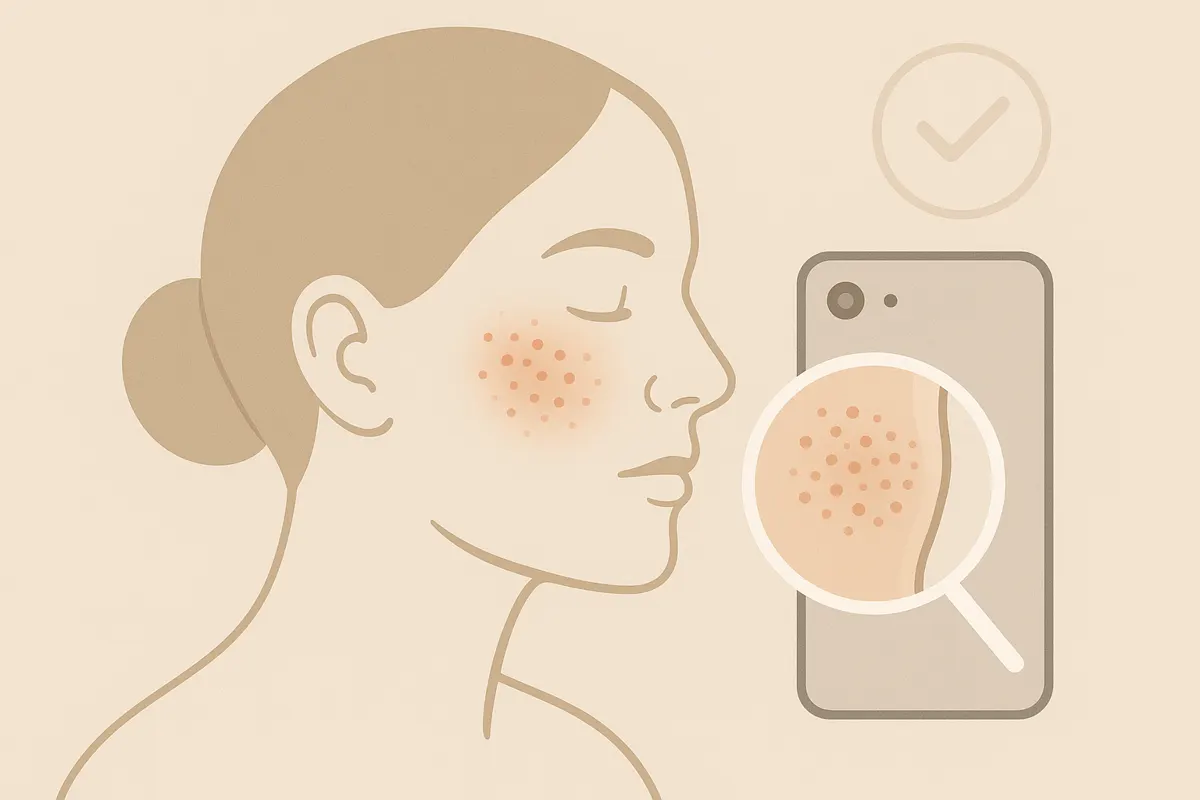
Common Causes of Facial Rashes
- Contact Dermatitis: Triggered by skin contact with irritants (like soaps or fragrances) or allergens (such as certain skincare ingredients). Often red, itchy, and sometimes swollen.
- Eczema (Atopic Dermatitis): Chronic, itchy patches that may be dry, scaly, or inflamed, often affecting cheeks and around the eyes.
- Rosacea: Redness and visible blood vessels, often with small bumps, usually on the central face (nose and cheeks).
- Perioral Dermatitis: Redness, bumps, and sometimes flaking around the mouth, sparing the skin right next to the lips.
- Seborrheic Dermatitis: Scaly, greasy patches, commonly along the sides of the nose, eyebrows, or hairline.
- Allergic Reactions: Sudden redness, swelling, or hives after exposure to a new product, food, or medication.
What a Facial Rash Looks Like
Facial rashes can appear as red patches, bumps, blisters, or flaky areas. The location, pattern, and symptoms (like itch or pain) can offer clues:
- Redness and swelling: May indicate irritation or allergy.
- Bumps or pimples: Common in rosacea or perioral dermatitis.
- Scaly or greasy patches: Suggest seborrheic dermatitis.
- Dry, itchy plaques: Often seen in eczema.
How to Care for a Rash on Your Face
- Simplify your skincare routine. Use fragrance-free, gentle cleansers and moisturizers.
- Avoid new or harsh products until the rash clears.
- Do not scratch or pick at the rash.
- If you suspect a new product caused the rash, stop using it immediately.
You can check your rash with Rash Detector for general information and possible conditions, but always consult a healthcare provider for diagnosis and treatment.
When to See a Doctor
- The rash is painful, blistering, or spreading quickly.
- There is swelling, especially near the eyes or lips.
- The rash is persistent or not improving with gentle care.
- You develop a fever or feel generally unwell.
A healthcare provider or dermatologist can help identify the cause and recommend effective treatment.
Not sure what it is? Upload a photo and Rash Detector's AI suggests possible causes in seconds — free to start. It's informational, not a diagnosis; see a doctor for anything severe or persistent.
Try Rash DetectorFAQ
What are the most common causes of a facial rash?
Common causes include contact dermatitis, eczema, rosacea, perioral dermatitis, seborrheic dermatitis, and allergic reactions.
How can I tell if my facial rash is serious?
See a doctor if the rash is painful, blistering, spreading, near your eyes, or if you have swelling or a fever.
Can I use Rash Detector to check a rash on my face?
Yes, you can use Rash Detector to get instant AI-based information about your facial rash, but always follow up with a doctor for diagnosis.
Should I stop using skincare products if I get a facial rash?
Yes, simplify your routine to fragrance-free basics and stop any new or potentially irritating products until your skin heals.
What should I do if my facial rash does not improve?
If your rash persists, worsens, or causes concerning symptoms, consult a healthcare provider or dermatologist for evaluation and care.