What Is the ABCDE Rule for Moles? A Guide to Skin Health
Learn the ABCDE rule for moles—a helpful checklist to spot unusual skin changes. Early detection is key. Always consult a dermatologist for concerns.
What Is the ABCDE Rule for Moles? A Guide to Skin Health
The ABCDE rule is a widely recognized checklist that helps people identify moles or skin spots that may need a closer look by a healthcare professional. While most moles are harmless, changes in their appearance can sometimes signal a skin health issue, including skin cancer. Early detection is important, so understanding the ABCDE rule can support your general awareness. However, only a qualified dermatologist can provide a diagnosis or medical advice.
Breaking Down the ABCDE Rule
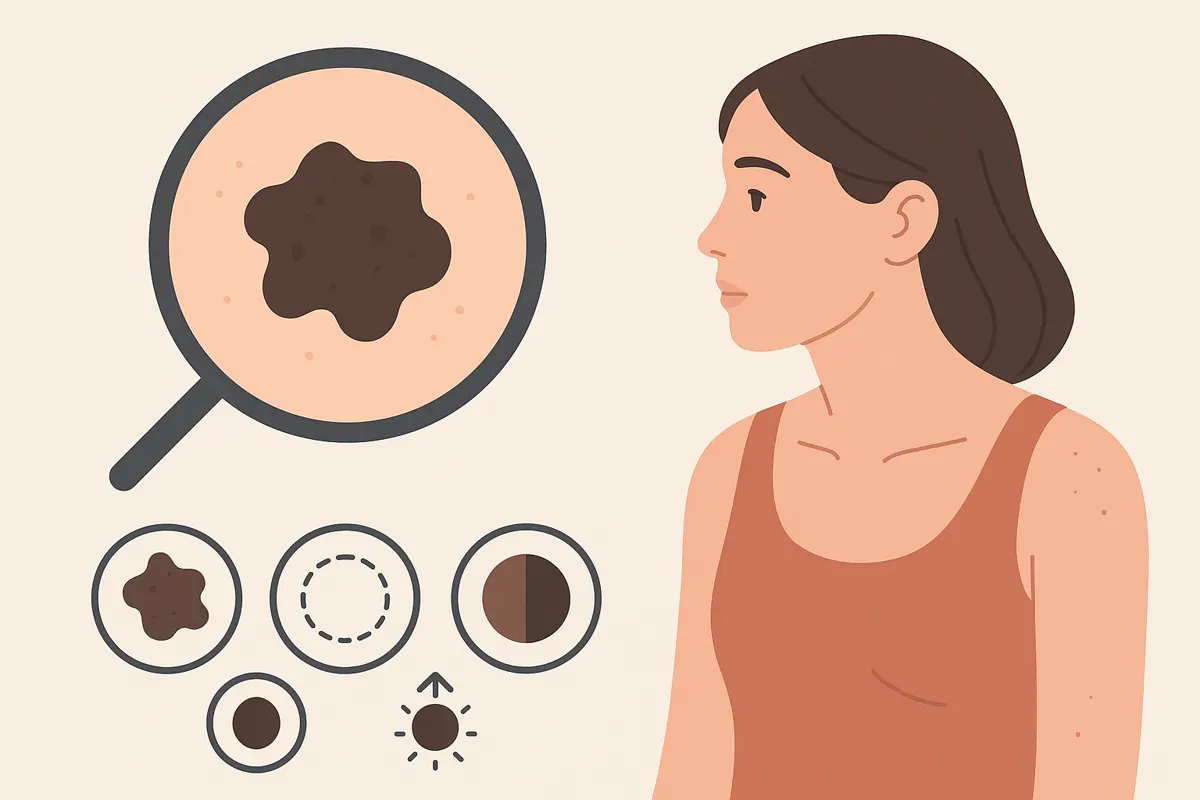
The ABCDE rule covers five key features to watch for when examining moles or pigmented spots on your skin:
- A - Asymmetry: One half of the mole does not match the other in shape or color.
- B - Border: The edges are irregular, ragged, blurred, or notched.
- C - Color: The color is not uniform and may include shades of brown, black, tan, red, white, or blue.
- D - Diameter: The spot is larger than 6 millimeters (about the size of a pencil eraser), although some concerning moles can be smaller.
- E - Evolving: The mole is changing in size, shape, color, or elevation, or new symptoms such as bleeding, itching, or crusting appear.
Remember, not all moles that display these traits are dangerous, but these changes are signals to consult a dermatologist for a closer examination.
Why Regular Skin Checks Matter
Checking your skin regularly can help you notice new or changing moles early. This is especially important if you have a personal or family history of skin cancer, lots of moles, or fair skin. If you spot any of the ABCDE warning signs, schedule a visit with a healthcare professional promptly. Self-checks are helpful for awareness, but they are not a substitute for professional evaluation.
How Digital Tools Can Help
Modern technology can support your skin health routine. Apps like Rash Detector allow you to photograph a rash or skin condition and receive possible causes and general guidance. While Rash Detector can help you document changes and prompt you to seek care, it cannot diagnose or replace the advice of a medical professional. Always consult a qualified healthcare provider if you’re concerned about a mole or any skin change.
When to See a Dermatologist
If you notice any of the ABCDE signs, or if a mole looks or feels different from your others, schedule an appointment with a dermatologist. Early evaluation is essential for the best outcomes. Do not delay seeking professional care if you have any uncertainties about your skin.
Disclaimer: This article is for general health education only and is not a substitute for professional medical advice, diagnosis, or treatment. Always consult a qualified healthcare provider for any medical concerns or before making decisions about your health.
Get a personalized read from Rash Detector.
Try Rash Detector