Understanding Medication Rash: Causes, Signs, and Next Steps
Learn what a medication rash is, common symptoms, and when to see a healthcare professional. General guidance on identifying and responding to rashes.
Understanding Medication Rash: Causes, Signs, and Next Steps
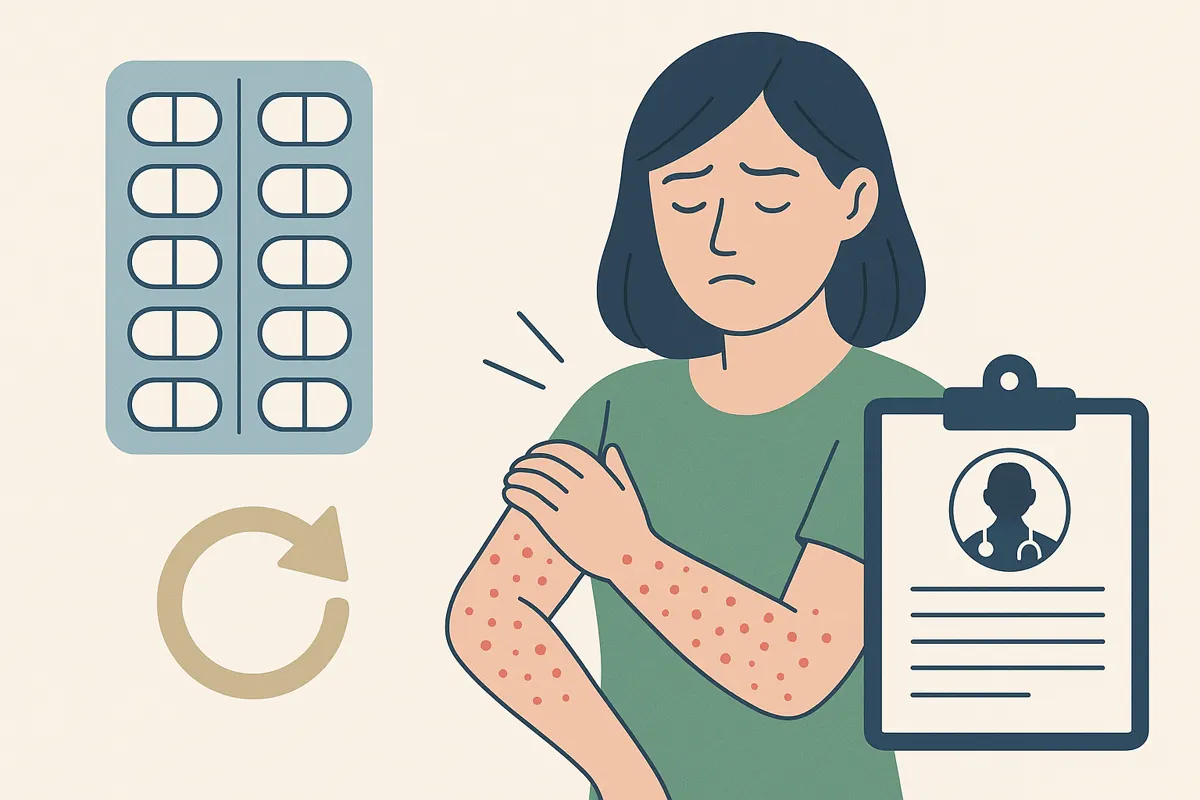
Many people take medications to manage health conditions, but sometimes these medicines can trigger skin reactions known as medication rashes. Recognizing a rash related to medication and knowing how to respond is important for your wellbeing. This article offers general information about medication rashes, common symptoms, and practical guidance on what to do if you notice a new rash.
What Is a Medication Rash?
A medication rash is a change in the skin that occurs after starting a new medication. These reactions can vary widely in appearance, severity, and onset. Some rashes appear within hours of taking a medication, while others may develop days or even weeks later. It's important to remember that not all rashes are caused by medications, and other factors such as infections, allergies, or underlying health issues can also be responsible.
Common Signs and Symptoms
Medication rashes can look very different from person to person. Common signs and symptoms may include:
- Red or pink spots or patches
- Itching or burning sensation
- Raised bumps or welts
- Blistering or peeling (in rare cases)
- Swelling of the skin
Some medication rashes are mild and go away after stopping the medication, but others can be more serious. If you notice symptoms like difficulty breathing, swelling of the face or throat, or widespread blistering, seek medical attention immediately.
What to Do If You Notice a Rash
If you develop a rash after starting a new medication, it is important to:
- Contact a qualified healthcare professional or dermatologist as soon as possible. They can help determine if the medication is the likely cause and what steps to take next.
- Avoid stopping or changing any medication without professional guidance.
- Take note of when the rash started, any other symptoms, and any new products or foods you've used.
Documenting the rash can be helpful. Apps like Rash Detector allow you to photograph the affected area and receive general information on possible causes, which you can discuss with your healthcare provider. However, such tools are for informational purposes only and should never replace professional medical evaluation.
When to Seek Immediate Care
Seek immediate medical attention if you experience:
- Difficulty breathing or swallowing
- Severe blistering, peeling, or open sores
- Rapidly spreading rash
- Signs of infection such as fever or pus
These can be signs of a serious reaction and require urgent care.
Final Thoughts and Disclaimer
Medication rashes can be concerning, but many are mild and resolve with proper management. Always consult a healthcare professional for any new or unexplained rash, especially if you suspect it may be related to a medication. This article is for general health education only and is not a substitute for professional medical advice, diagnosis, or treatment. If you have concerns about a rash or your medications, please seek care from a qualified healthcare provider.
Get a personalized read from Rash Detector.
Try Rash Detector