How to Do a Skin Self Exam at Home: A Step-by-Step Guide
Learn how to perform a thorough skin self exam at home to spot changes early. Get practical steps and tips, and know when to consult a healthcare professional.
How to Do a Skin Self Exam at Home: A Step-by-Step Guide
Performing regular skin self exams can help you become familiar with your skin’s normal appearance. By checking your skin at home, you may notice new or changing spots, rashes, or moles early and seek timely advice from a qualified healthcare professional or dermatologist. This guide covers practical steps for a thorough self exam, what to look for, and how tools like Rash Detector can support your awareness.
Why Do a Skin Self Exam?
Your skin is your largest organ, and many conditions can show up as changes on its surface. Early detection is important. While self exams are not a substitute for professional checkups, they can help you notice:
- New moles or spots
- Changes in existing moles (size, shape, color, or texture)
- Unexplained rashes or areas of irritation
- Non-healing sores
If you notice any of these changes, make an appointment with a healthcare professional for a full evaluation.
Step-by-Step Skin Self Exam
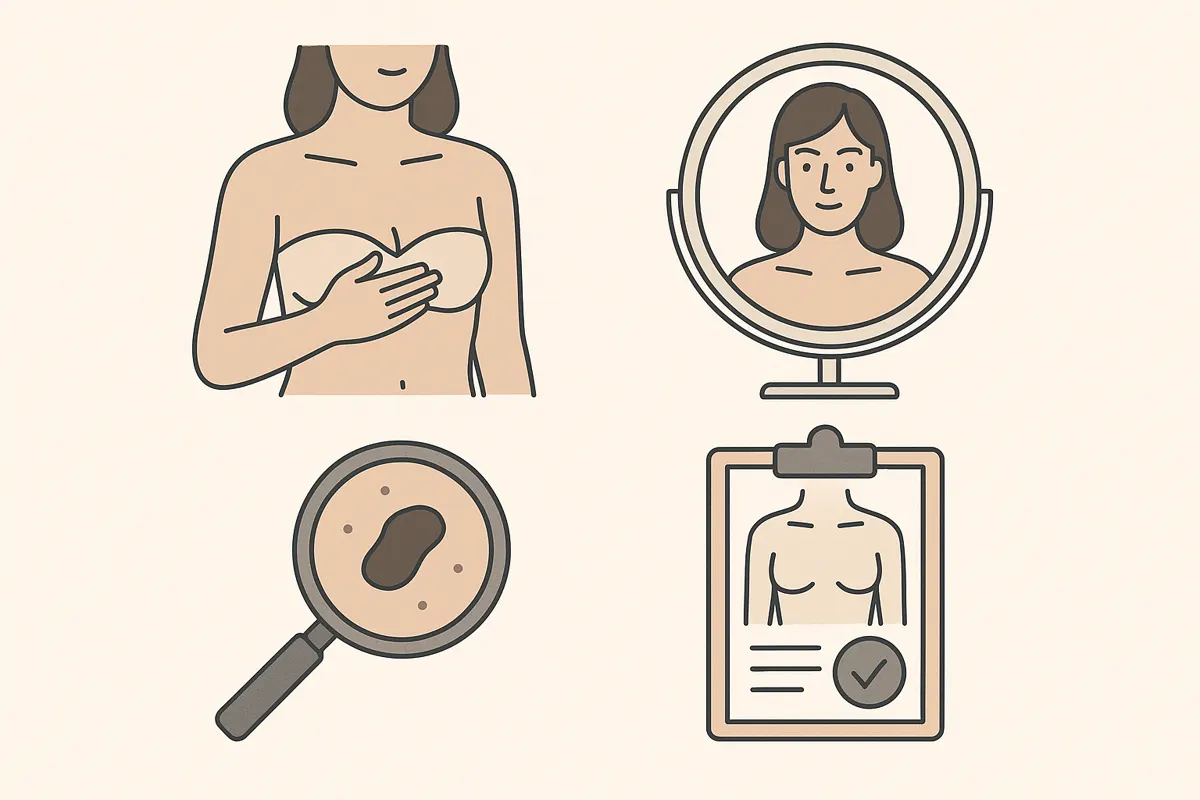
- Choose good lighting: Use natural daylight or bright indoor lights in front of a full-length mirror.
- Get the right tools: Have a hand mirror for hard-to-see places and a notepad or phone to jot down observations.
- Check your entire body: Start at your face and scalp (part your hair to see your scalp), then examine your neck, chest, belly, back, arms, hands (including between fingers), legs, feet (including soles and between toes), and even under your nails.
- Look for changes: Pay attention to any new spots, moles, or rashes, or changes in existing ones. Use the "ABCDE" rule as a general guide for moles: Asymmetry, Border irregularity, Color variation, Diameter larger than a pencil eraser, and Evolving changes.
- Document what you see: Note or photograph any areas of concern to track changes over time. Apps like Rash Detector can help you keep a record and provide general information about possible causes of visible skin changes, but always seek a healthcare professional’s input for any concerns.
When to Seek Professional Advice
Self exams are meant for awareness, not diagnosis. If you observe any suspicious spots, persistent rashes, or non-healing sores, schedule a visit with a dermatologist or qualified healthcare provider promptly. Early evaluation is key to addressing potential skin issues effectively.
Remember, while tools like Rash Detector can offer general guidance by analyzing photos of skin changes, they cannot replace the expertise of a healthcare professional. Use them to support your awareness and record-keeping, but always consult a professional for any uncertainty.
Conclusion and Disclaimer
Regular skin self exams at home can help you monitor your skin’s health. Stay observant, use supportive tools responsibly, and never hesitate to reach out to a healthcare professional with any concerns. This article is for general educational purposes only and is not a substitute for professional medical advice, diagnosis, or treatment. Always consult a qualified healthcare provider for any questions or concerns about your skin.
Get a personalized read from Rash Detector.
Try Rash Detector