
Hydrocortisone vs Antihistamine for a Rash: What to Use and When
Hydrocortisone and antihistamines treat rashes differently: hydrocortisone calms inflammation, while antihistamines target allergy-driven itching. Choosing the right one depends on the rash type and symptoms.
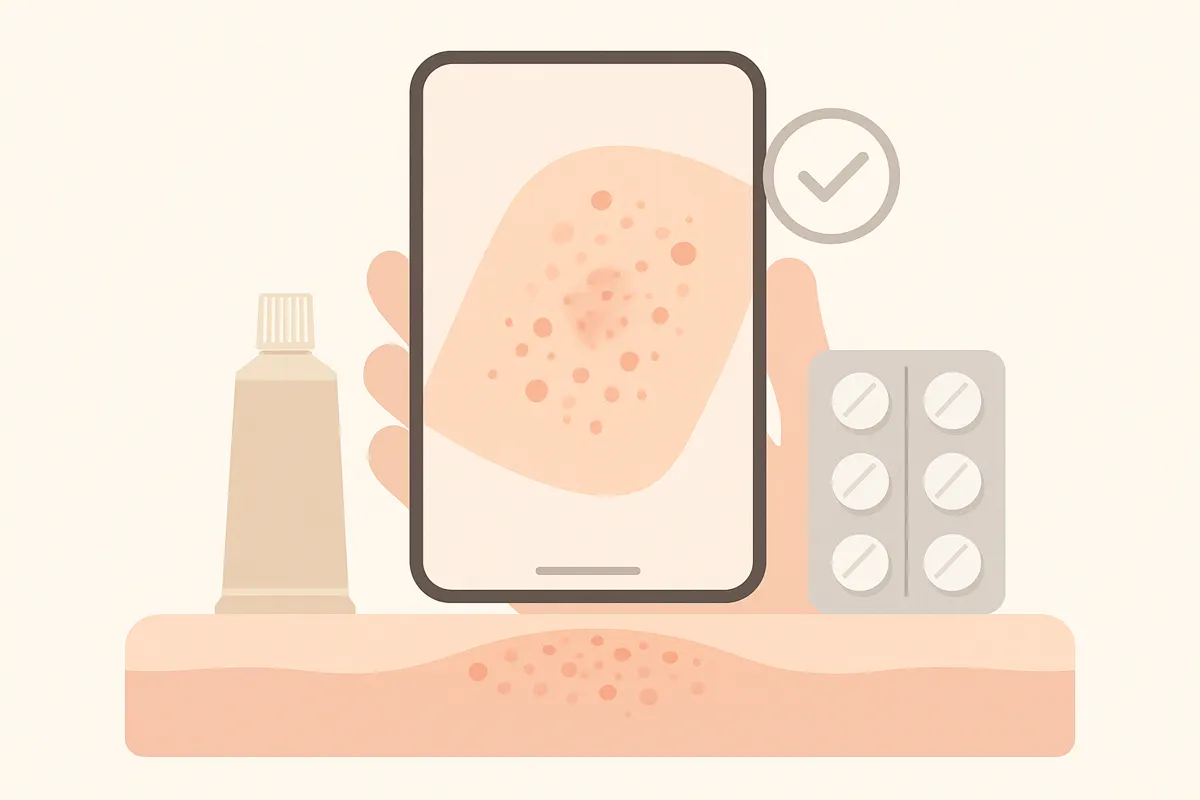
When to Use Hydrocortisone Cream
Topical hydrocortisone is a mild steroid cream that reduces itch and inflammation. It is most effective for rashes like contact dermatitis, eczema flares, and other inflamed, non-infected skin conditions. Apply a thin layer to the affected area 1-2 times daily, but avoid using it on broken skin, open wounds, or suspected fungal or bacterial infections. If unsure about the cause, check with a pharmacist or doctor before use.
When to Use Oral Antihistamines
Oral antihistamines (like cetirizine or diphenhydramine) work by blocking the effects of histamine, a chemical involved in allergic reactions. They are especially helpful for hives (urticaria), allergy-driven rashes, and widespread itching. Some antihistamines can make you drowsy, which may help at night if itching affects sleep. They are not effective for all types of rashes, especially those caused by irritation or infection.
Can Hydrocortisone and Antihistamines Be Used Together?
In some cases, using both can help: hydrocortisone for local inflammation and an antihistamine for allergy symptoms or widespread itch. This is common in allergic contact dermatitis or severe eczema. However, always check with a healthcare provider if you plan to combine treatments, especially for children or if you have other health conditions.
When to See a Doctor
- If the rash is severe, spreading quickly, blistering, painful, or involves the face or genitals
- If you develop a fever or feel unwell
- If the rash persists more than a week despite treatment
- If you suspect infection (yellow crusts, pus, warmth, or swelling)
- If you are unsure of the cause or best treatment
For quick, private information on possible rash causes, you can check your rash with Rash Detector, but always seek medical care for diagnosis and treatment decisions.
Check a photo with Rash Detector for general information on what it might be — then treat mild cases at home or see a doctor for anything severe. Informational, not a diagnosis.
Try Rash DetectorFAQ
Can I use hydrocortisone cream and an antihistamine at the same time?
Yes, they can be used together in some allergic rashes, but check with your doctor or pharmacist first, especially for children.
Should I use hydrocortisone on a fungal rash?
No, avoid steroid creams on suspected fungal or infected rashes, as they can make infections worse. See a doctor for proper treatment.
Which is better for hives: hydrocortisone or antihistamine?
Oral antihistamines are usually more effective for hives, as they target the allergic response causing the rash.
When should I see a doctor for a rash?
See a doctor if the rash is severe, spreading, blistering, painful, lasts more than a week, or is accompanied by fever or other symptoms.
How can I tell what kind of rash I have?
A doctor or dermatologist should diagnose your rash. You can also use Rash Detector for instant general information, but this does not replace professional advice.